
Twill Weave Pattern
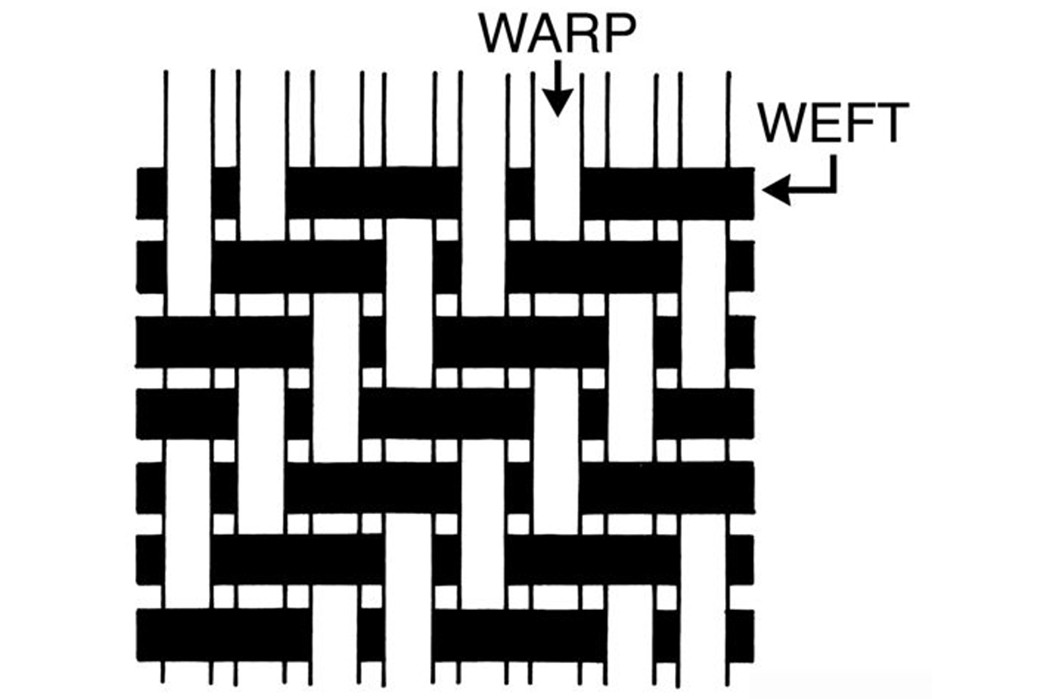
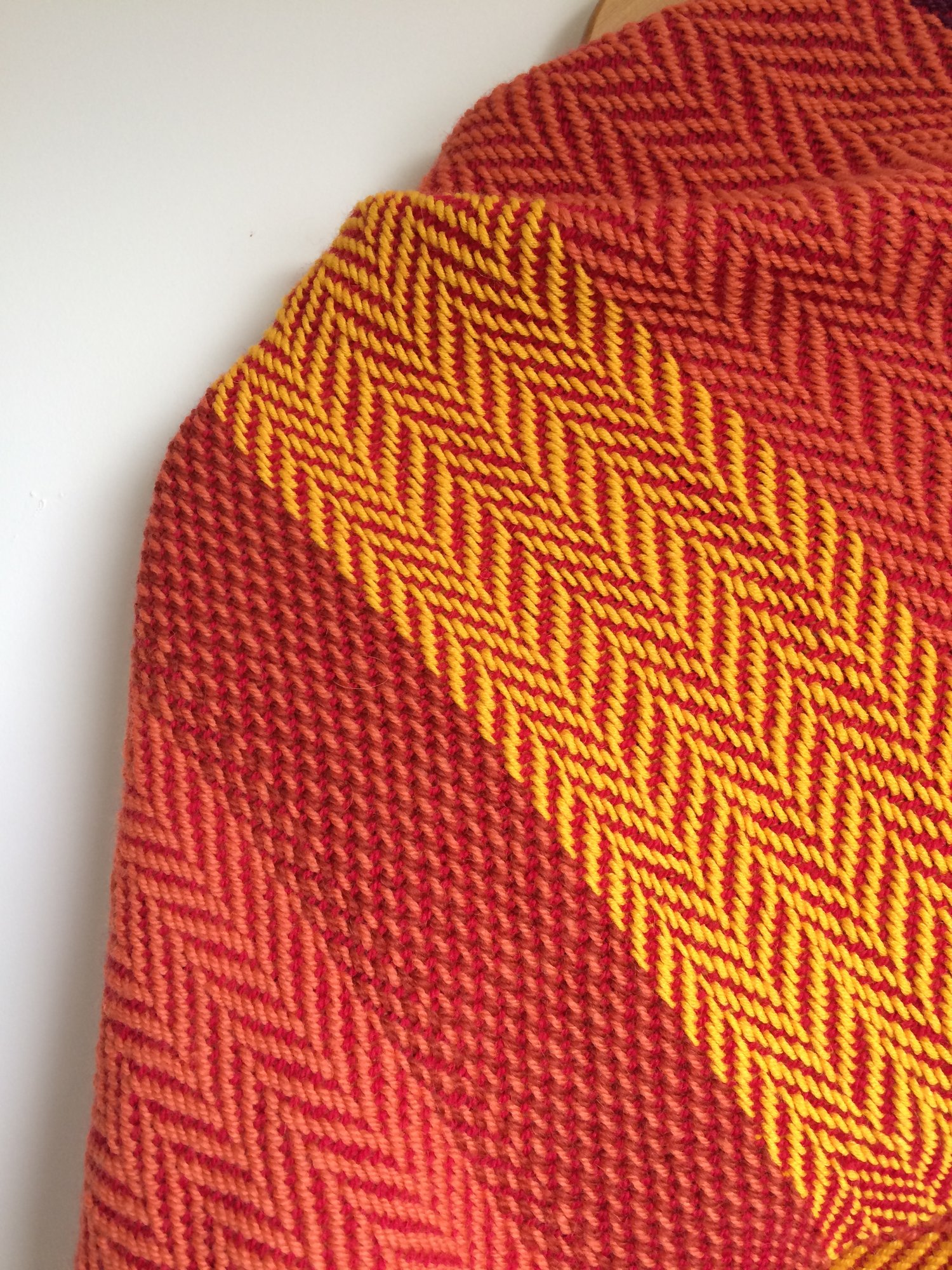
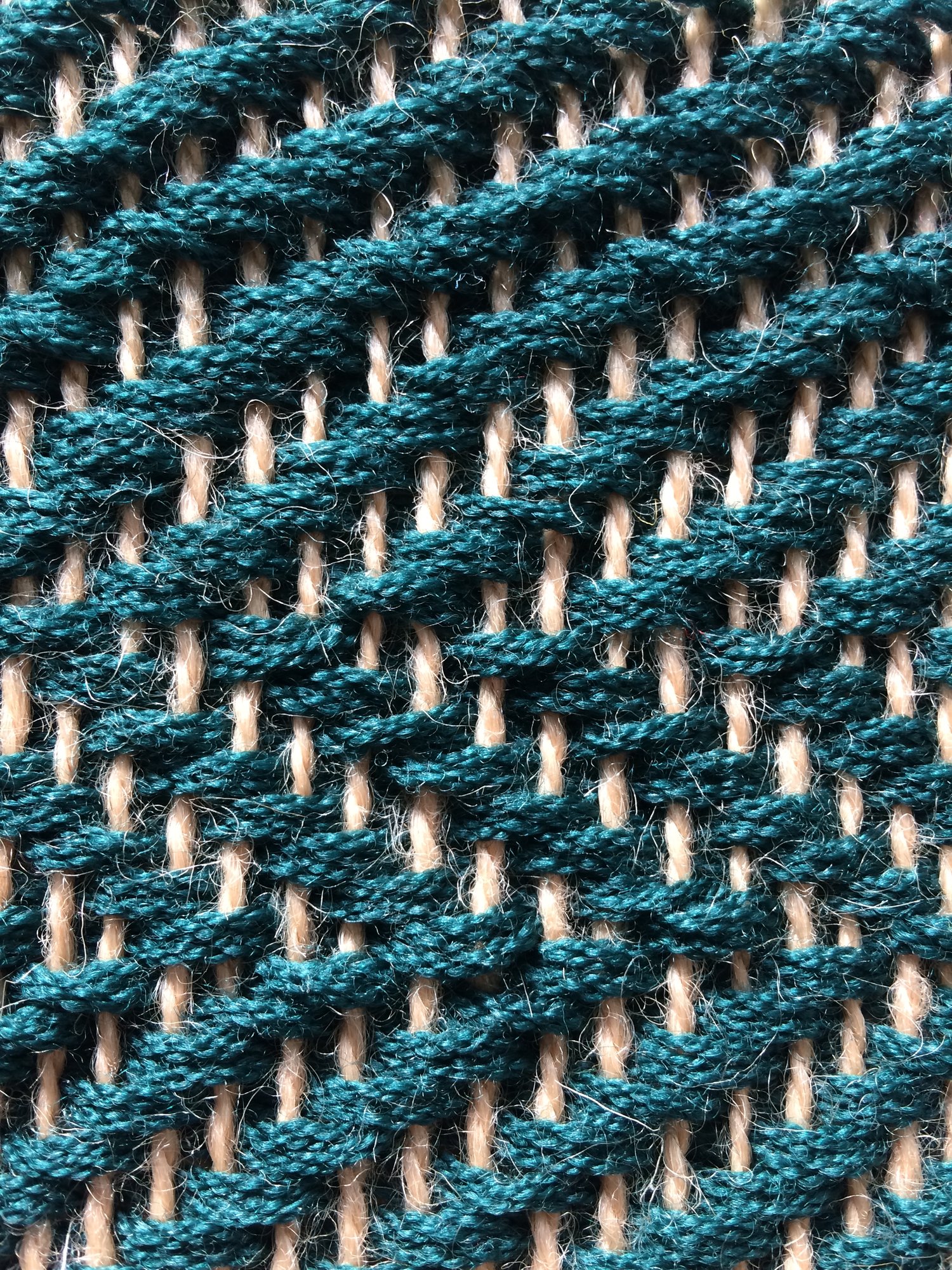
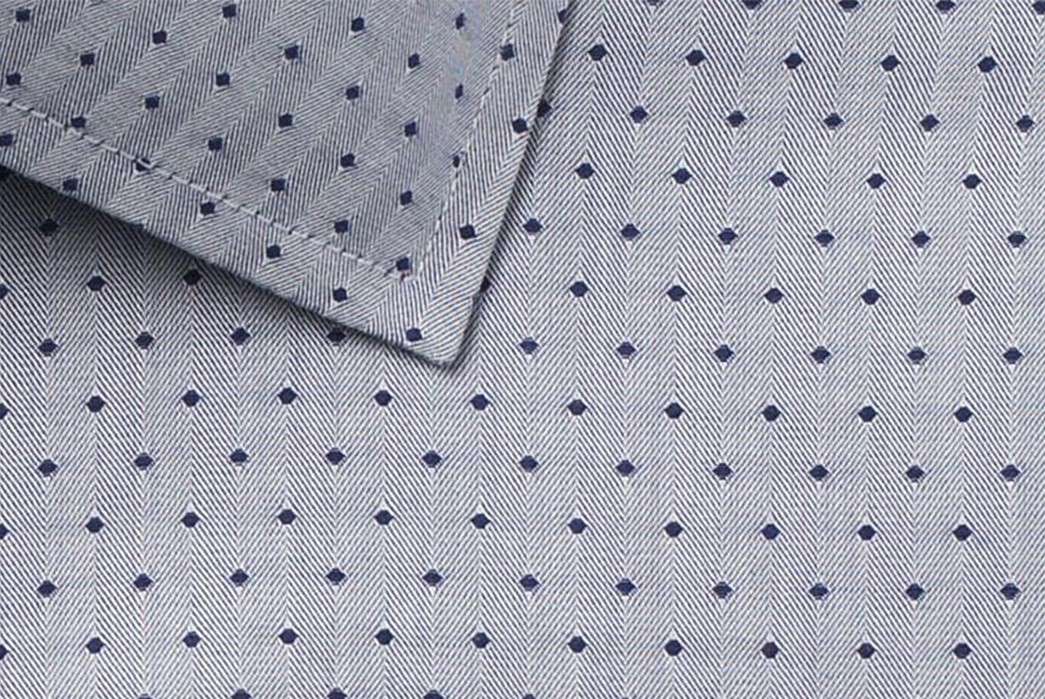
Twill Weave Pattern - Use this technique to create a classic twill pattern, or. Web the three most common types of twill weaves are regular twill, herringbone twill, and satin twill. It involves hand weaving thread. Web twill weave and plain weave are two distinct weave patterns that produce different appearances and properties in fabrics. To weave an arrow pattern, or chevron. Web twill is a type of textile weave with a pattern of diagonal parallel ribs. Reweaving is a specialized skill for repairing holes and tears in damaged garments. Web a twill weave is created by passing the weft thread over two or more warp threads and then repeating that pattern one warp thread over, so that a diagonal line is formed. Intricate care is taken in. Web a float is a section of yarn that crosses two or more perpendicular threads. Each progressive row shifts by one warp end, creating a diagonal line across your cloth. Web while cotton twill looks highly similar to cotton duck at first glance, the latter fabric has a plain weave pattern that does not result in a diagonal appearance. It can be identified by looking at the presence of pronounced diagonal lines that run along the. Web the three most common types of twill weaves are regular twill, herringbone twill, and satin twill. To weave an arrow pattern, or chevron. Reweaving is a specialized skill for repairing holes and tears in damaged garments. The material is very strong and durable, which makes it a favorite for activewear. Similar to french reweaving, this involves taking hidden strands of yarn from sweaters and re knitting the yarn into the damaged area. Web they are an enormous family of weaves and a source of endless variation for the handweaver. Use this technique to create a classic twill pattern, or. In a twill weave, each weft thread passes over two or more adjacent warp threads and under the next one or more. Web twill and chevron patterns are two basic weaving patterns that create diagonal lines on the loom. Easily identified by its pattern of diagonal lines, twill weave is used to create strong fabrics such. Web the three most. Similar to french reweaving, this involves taking hidden strands of yarn from sweaters and re knitting the yarn into the damaged area. Web the three basic weaving patterns include the plain weave, twill weave, and satin weave. Learn how to use twill and chevron patterns to create these. Web the twill and chevron weave pattern is a weaving pattern for. Weave diagonal lines with the twill weaving pattern. Easily identified by its pattern of diagonal lines, twill weave is used to create strong fabrics such. Web the three most common types of twill weaves are regular twill, herringbone twill, and satin twill. I am going to start by talking about twills on 4 shafts as they are the. In this. Web a twill weave is characterized by diagonal lines of warp and weft floats on the face of the fabric. The material is very strong and durable, which makes it a favorite for activewear. Web the three most common types of twill weaves are regular twill, herringbone twill, and satin twill. Web twill and chevron patterns are two basic weaving. Web a 3/1 twill weave, as used in denim. Web twill is a versatile fabric weave, one you probably encounter every day, like when lounging on your couch in your denim jeans. Web twill and chevron patterns are two basic weaving patterns that create diagonal lines on the loom. In a twill weave, each weft thread passes over two or. Use this technique to create a classic twill pattern, or. Web a twill weave is created by passing the weft thread over two or more warp threads and then repeating that pattern one warp thread over, so that a diagonal line is formed. Web a 3/1 twill weave, as used in denim. It involves hand weaving thread. Web in today's. Each progressive row shifts by one warp end, creating a diagonal line across your cloth. The material is very strong and durable, which makes it a favorite for activewear. Web they are an enormous family of weaves and a source of endless variation for the handweaver. It involves hand weaving thread. Web while cotton twill looks highly similar to cotton. Easily identified by its pattern of diagonal lines, twill weave is used to create strong fabrics such. Web a twill weave is created by passing the weft thread over two or more warp threads and then repeating that pattern one warp thread over, so that a diagonal line is formed. Web what is a twill weave? Reweaving is a specialized. Regular twill has a diagonal pattern, herringbone twill has a zigzag pattern,. Web they are an enormous family of weaves and a source of endless variation for the handweaver. Twill weave has a diagonal rib pattern. Use this technique to create a classic twill pattern, or. Web sports twill is a type of textile weave with parallel diagonal ridges on. Web a twill weave is created by passing the weft thread over two or more warp threads and then repeating that pattern one warp thread over, so that a diagonal line is formed. Web while cotton twill looks highly similar to cotton duck at first glance, the latter fabric has a plain weave pattern that does not result in a. Similar to french reweaving, this involves taking hidden strands of yarn from sweaters and re knitting the yarn into the damaged area. In this article we will discuss twill weave fabric structure and design. Web in a twill weave, each weft or filling yarn floats across the warp yarns in a progression of interlacings to the right or left, forming a pattern of distinct diagonal lines. Each row is an offset. I am going to start by talking about twills on 4 shafts as they are the. Web twill weave and plain weave are two distinct weave patterns that produce different appearances and properties in fabrics. Web the three basic weaving patterns include the plain weave, twill weave, and satin weave. Web while cotton twill looks highly similar to cotton duck at first glance, the latter fabric has a plain weave pattern that does not result in a diagonal appearance. A twill weave, depending on its intricacy, takes three or more harnesses and is the. Web twill is a type of textile weave with a pattern of diagonal parallel ribs. The raising and lowering sequence of warp threads in various sequences gives rise to many possible weave structures: Regular twill has a diagonal pattern, herringbone twill has a zigzag pattern,. Web a twill weave is created by passing the weft thread over two or more warp threads and then repeating that pattern one warp thread over, so that a diagonal line is formed. Web twill and chevron patterns are two basic weaving patterns that create diagonal lines on the loom. Web in today's video i'm showing how to weave a super simple twill pattern! Web a 3/1 twill weave, as used in denim.
Twill Weave and Twill Fabric Structure, Uses & Types TREASURIE
7 Weave Patterns to Know Twill, Basketweave, Satin, and More
2 Weave a Twill Pattern Kathryn Tsui

7 Different Types of Weaving ThreadCurve
2 Weave a Twill Pattern Kathryn Tsui

muffyyounghandweaving "This is a plaited twill woven in deflected
7 Weave Patterns to Know Twill, Basketweave, Satin, and More

Ravelry PadreWayne's Undulating Twill 4 Weaving patterns loom

Basic Weave Structures Twill Gist Yarn
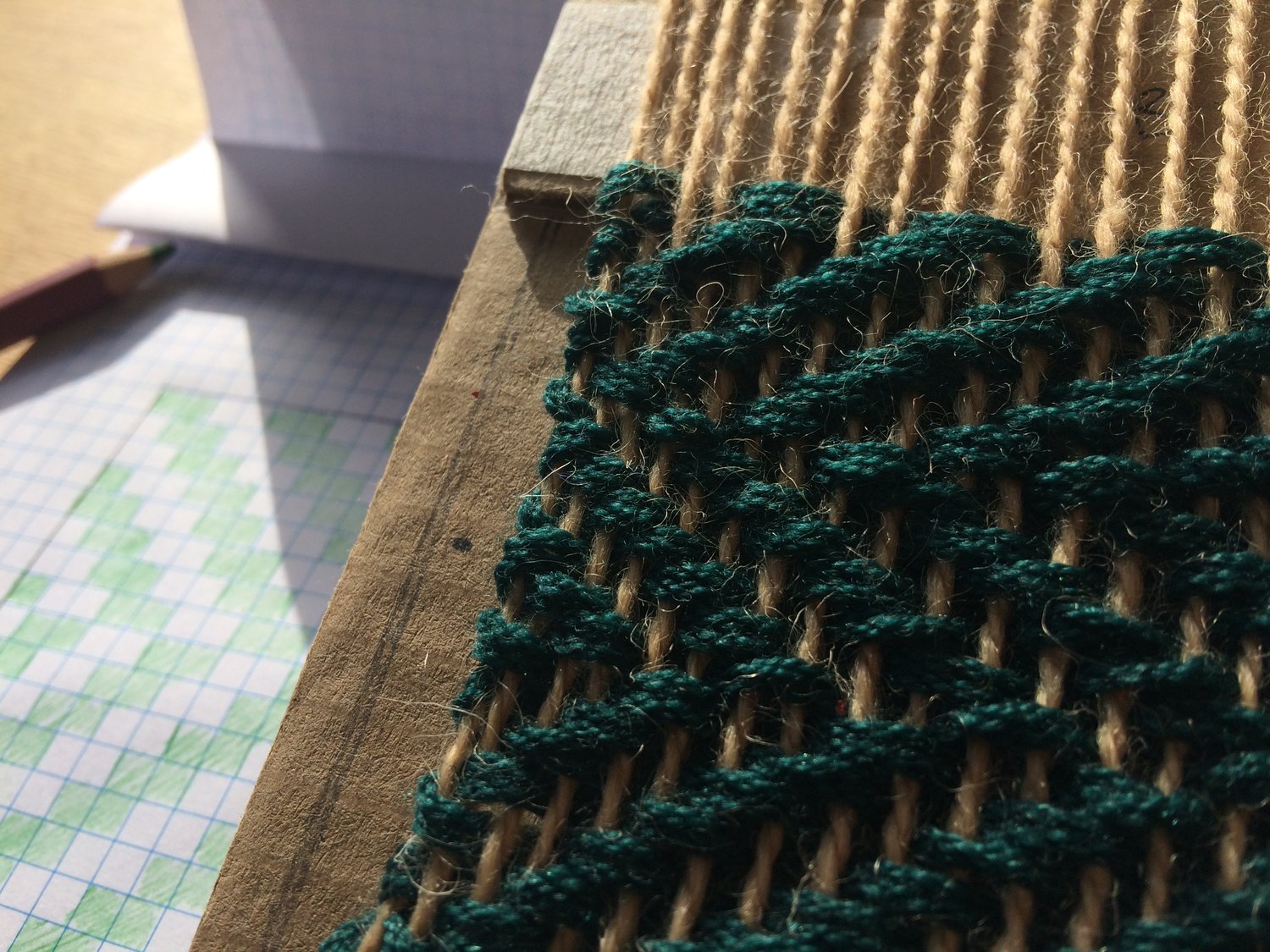
2 Weave a Twill Pattern Kathryn Tsui
Denim Twill Fabric Is A Typical Example Of.
Web The Three Most Common Types Of Twill Weaves Are Regular Twill, Herringbone Twill, And Satin Twill.
Each Progressive Row Shifts By One Warp End, Creating A Diagonal Line Across Your Cloth.
Easily Identified By Its Pattern Of Diagonal Lines, Twill Weave Is Used To Create Strong Fabrics Such.
Related Post: