
Traditional Kimono Pattern
Traditional Kimono Pattern - Web kimono patterns are not only decorative but also have special cultural meaning. Most of the traditional japanese patterns dates back to the 8th century and are inspired by nature, of which the symbolism is very strong in japanese culture. The essence of color in kimono. The term “wagara” can be translated as “japanese patterns,” it shows a vast array of designs deeply rooted in the country’s cultural heritage. Japanese traditional kimono is a symbol of japan's rich cultural heritage and history. By laura pollacco & lucy dayman. Kimonos a usually pretty simple to sew so if you're a beginner sewist they make great first garment projects. Web ever wondered about the meanings and symbolism behind the striking patterns on a kimono? These beautiful patterns are used for kimonos, obi (sash), and other traditional fabric items. A kimono completes any outfit. Most of the traditional japanese patterns dates back to the 8th century and are inspired by nature, of which the symbolism is very strong in japanese culture. Web kimono immediately spring to mind when you hear traditional japanese clothing. The kimono is japan’s most iconic garment; Web kimono patterns are not only decorative but also have special cultural meaning. Web kimonos are one of japan's traditional handicrafts, and are very profoundly crafted one by one by craftsmen using traditional methods passed down from generation to generation. Web discover the beauty of japanese traditional kimono with various styles, patterns, and cultural significance. Japanese traditional kimono is a symbol of japan's rich cultural heritage and history. You'll find some fun and easy designs below. Read our guide to some of the most common designs for japan's traditional clothing Web elegance and tradition woven into every stitch. Web discover the beauty of japanese traditional kimono with various styles, patterns, and cultural significance. Explore the rich history and symbolism. Web the traditional japanese kimono, a garment steeped in history and cultural significance, serves not only as attire but also as a canvas for expressing values, virtues, and the natural world through its colors and motifs. It is a. The kimono is japan’s most iconic garment; By laura pollacco & lucy dayman. Web geisha at maikoya, maikoya. As you delve into the intricate folds of this iconic garment, you’ll uncover a world where fabric becomes poetry and history becomes thread. Its uniform silhouette makes it an excellent canvas for all types of unique, traditional, powerful, and meaningful designs. Flowers like sakura 桜 (cherry blossom), momo no hana 桃の花 (peach blossom), fuji 藤 (wisteria) and momiji 紅葉 (japanese maple) have seasonal significance as well as being symbolic metaphors for virtues such as longevity, rejuvenation, and. Whether they are worn as a long blouse, a light coat or a dress, kimonos are highly versatile. Web kimono patterns are not only. As you delve into the intricate folds of this iconic garment, you’ll uncover a world where fabric becomes poetry and history becomes thread. Web elegance and tradition woven into every stitch. The delicate beauty of small patterns 4. The term “wagara” can be translated as “japanese patterns,” it shows a vast array of designs deeply rooted in the country’s cultural. Web wagara refers to the vast array of kimono fabric patterns that have flourished throughout japan’s history. The casual charm of summer 2. Web ever wondered about the meanings and symbolism behind the striking patterns on a kimono? Splendid dyes, gorgeous patterns, and premier fabrics earn this traditional piece of clothing high praise around the world. Web derived from the. Learning their names and origins reveals their auspicious meanings and. The essence of color in kimono. Web ever wondered about the meanings and symbolism behind the striking patterns on a kimono? The kimono is japan’s most iconic garment; The celebration of coming of age 3. Kimonos a usually pretty simple to sew so if you're a beginner sewist they make great first garment projects. The celebration of coming of age 3. Read our guide to some of the most common designs for japan's traditional clothing Web kimono immediately spring to mind when you hear traditional japanese clothing. Kimonos come in a range of styles and. Very much found on the kimono and other japanese clothing, they are called wagara. Web known in japanese as waritsuke, these patterns feature elegant yet straightforward designs repeated over the fabric. The kimono has been worn by the japanese people for centuries and continues to be a popular choice for special occasions and formal events. Web wagara refers to the. Styles of japanese traditional kimono. Web geisha at maikoya, maikoya. Especially now in summer, a kimono made of light viscose fabric is. Splendid dyes, gorgeous patterns, and premier fabrics earn this traditional piece of clothing high praise around the world. Most of the traditional japanese patterns dates back to the 8th century and are inspired by nature, of which the. Web today, kimonos are worn all around the world and many designers have used this traditional concept as the base of comfortable and practical new designs. Flowers like sakura 桜 (cherry blossom), momo no hana 桃の花 (peach blossom), fuji 藤 (wisteria) and momiji 紅葉 (japanese maple) have seasonal significance as well as being symbolic metaphors for virtues such as longevity,. Splendid dyes, gorgeous patterns, and premier fabrics earn this traditional piece of clothing high praise around the world. Especially now in summer, a kimono made of light viscose fabric is. You'll find some fun and easy designs below. Very much found on the kimono and other japanese clothing, they are called wagara. The casual charm of summer 2. Web the japanese kimono is renowned for its exceptional beauty. Web kimonos are one of japan's traditional handicrafts, and are very profoundly crafted one by one by craftsmen using traditional methods passed down from generation to generation. Most of the traditional japanese patterns dates back to the 8th century and are inspired by nature, of which the symbolism is very strong in japanese culture. Web the traditional japanese kimono, a garment steeped in history and cultural significance, serves not only as attire but also as a canvas for expressing values, virtues, and the natural world through its colors and motifs. Web kimono immediately spring to mind when you hear traditional japanese clothing. Web japanese traditional patterns can be found on kimonos, tenuguihand towels and all manner of other small japanese items. Explore the rich history and symbolism. Web elegance and tradition woven into every stitch. Web derived from the words ki (“wear”) and mono (“thing”), the kimono is a traditional japanese garment. When the geisha profession began the apprentice maiko were often as young as 8 or 9 years old. Web japanese patterns come in many forms and all have a hidden meaning.
31 Traditional Japanese Kimono Patterns You Should Know Japanese
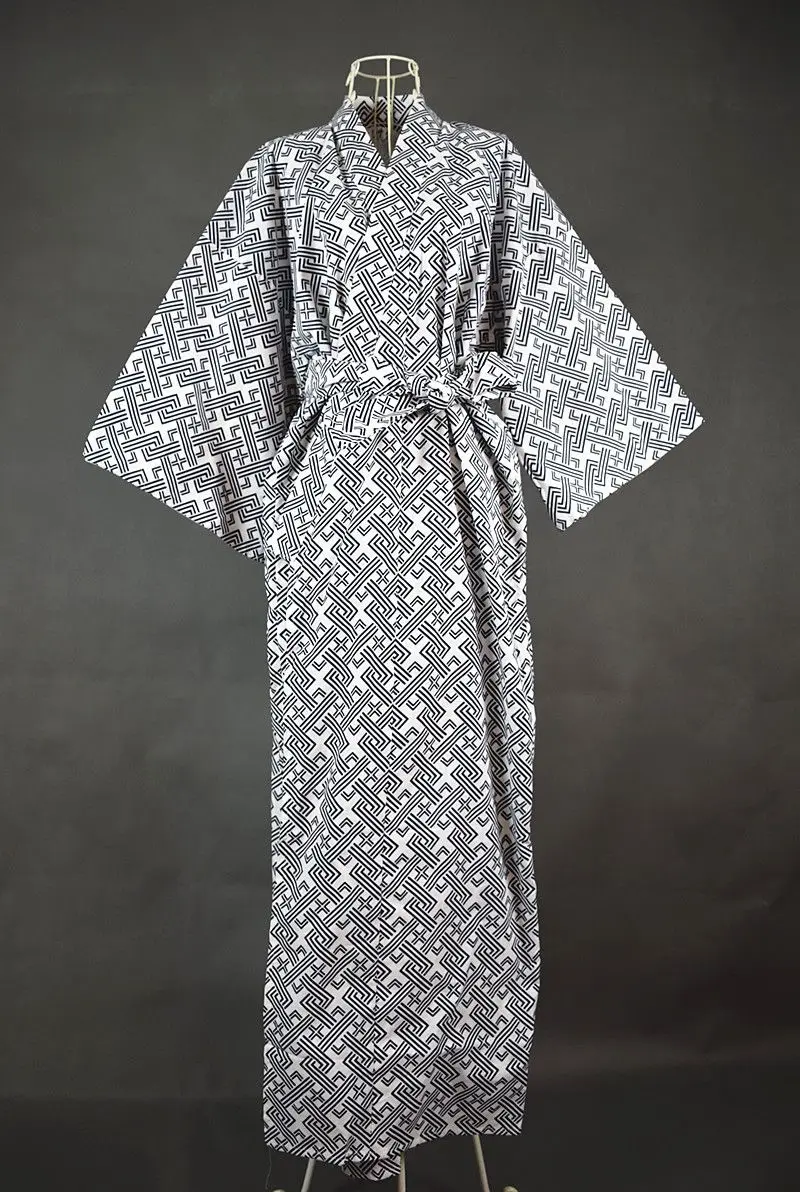
Cool Traditional Japanese Male Kimono Men's Robe Yukata 100 Cotton Men

31 Traditional Japanese Kimono Patterns You Should Know Japanese
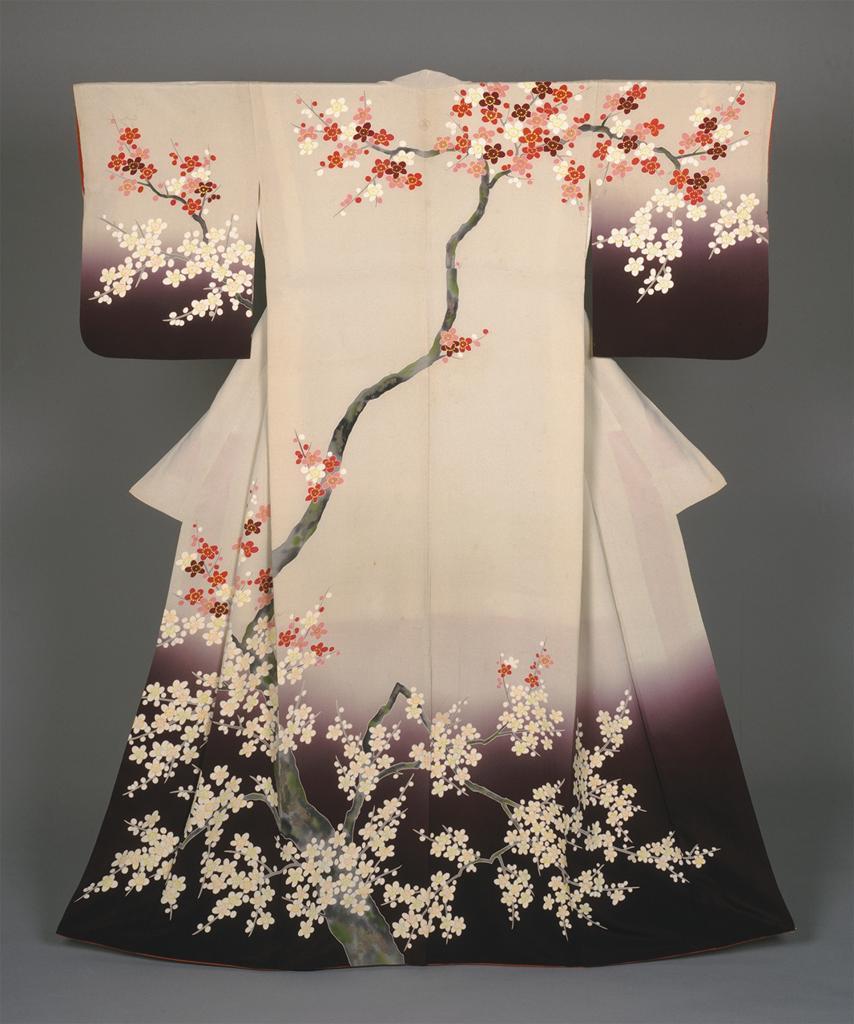
Sara's Art 116C Kimono Design March 29, 2011
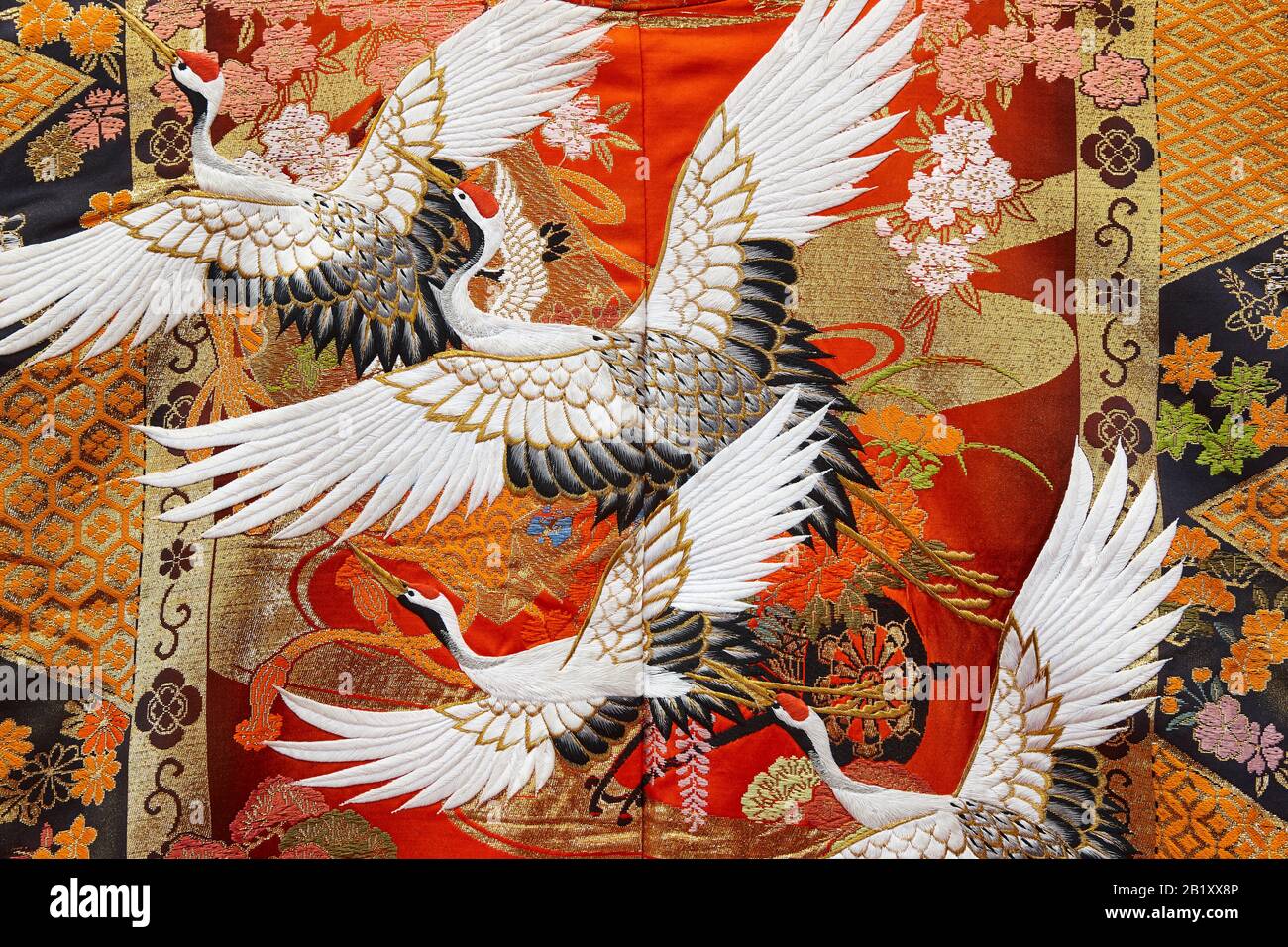
Traditional Japanese Kimono Patterns

Tradisional Kimono jepang, Wanita yang formal yukata geisha pakaian

Traditional Kimono Kimono tradicional, Vestidos japoneses, Ropa japonesa

Yukiko Hanai Spring Summer Collection 2012 Kimono, Traditional kimono
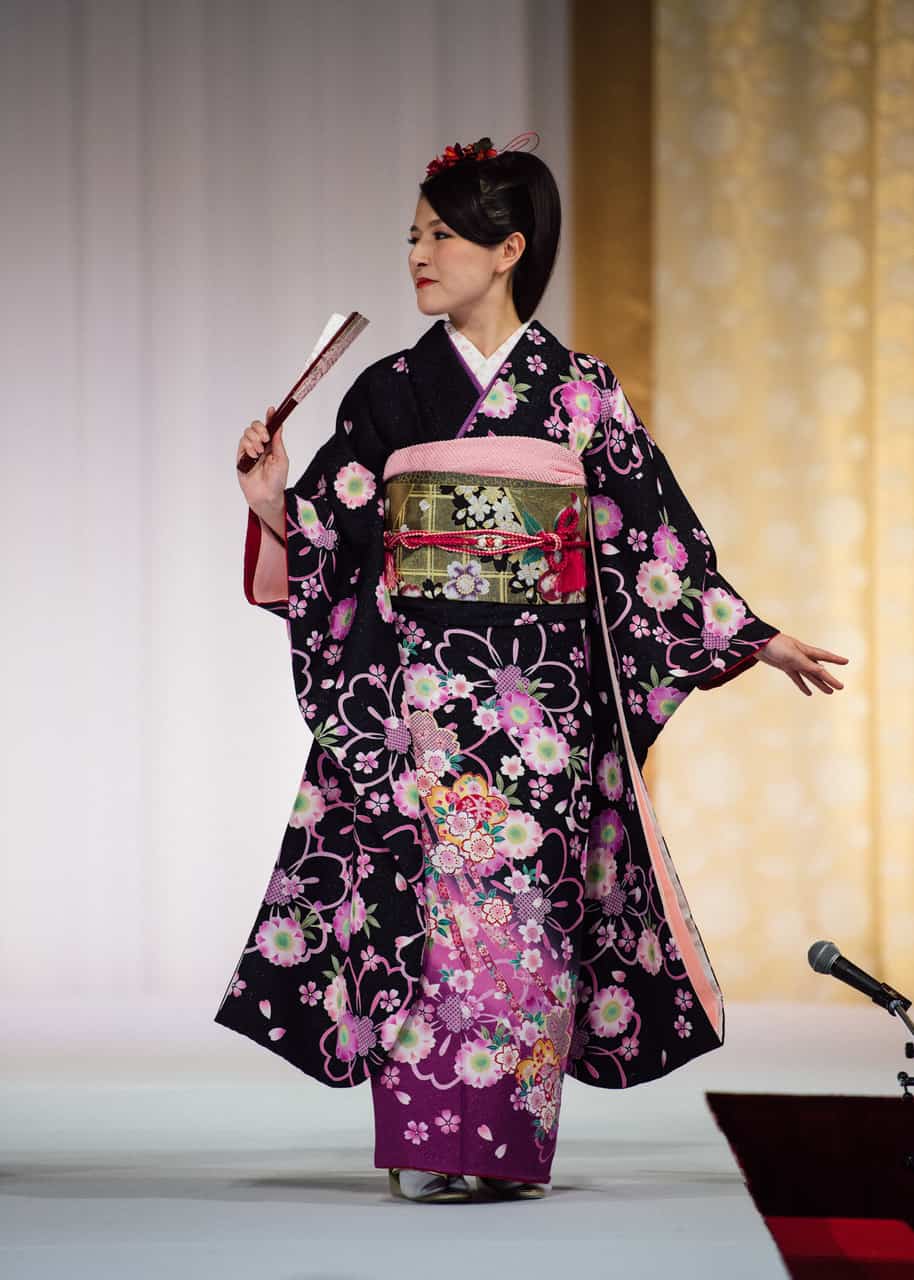
An Introduction to the Different Types of Japanese Kimono

19 Traditional Japanese Kimono Patterns You Should Know Japan Objects
Web Kimono Patterns Are Not Only Decorative But Also Have Special Cultural Meaning.
Read Our Guide To Some Of The Most Common Designs For Japan's Traditional Clothing
The Delicate Beauty Of Small Patterns 4.
The Kimono Is Japan’s Most Iconic Garment;
Related Post: