
Scm Referral Pattern
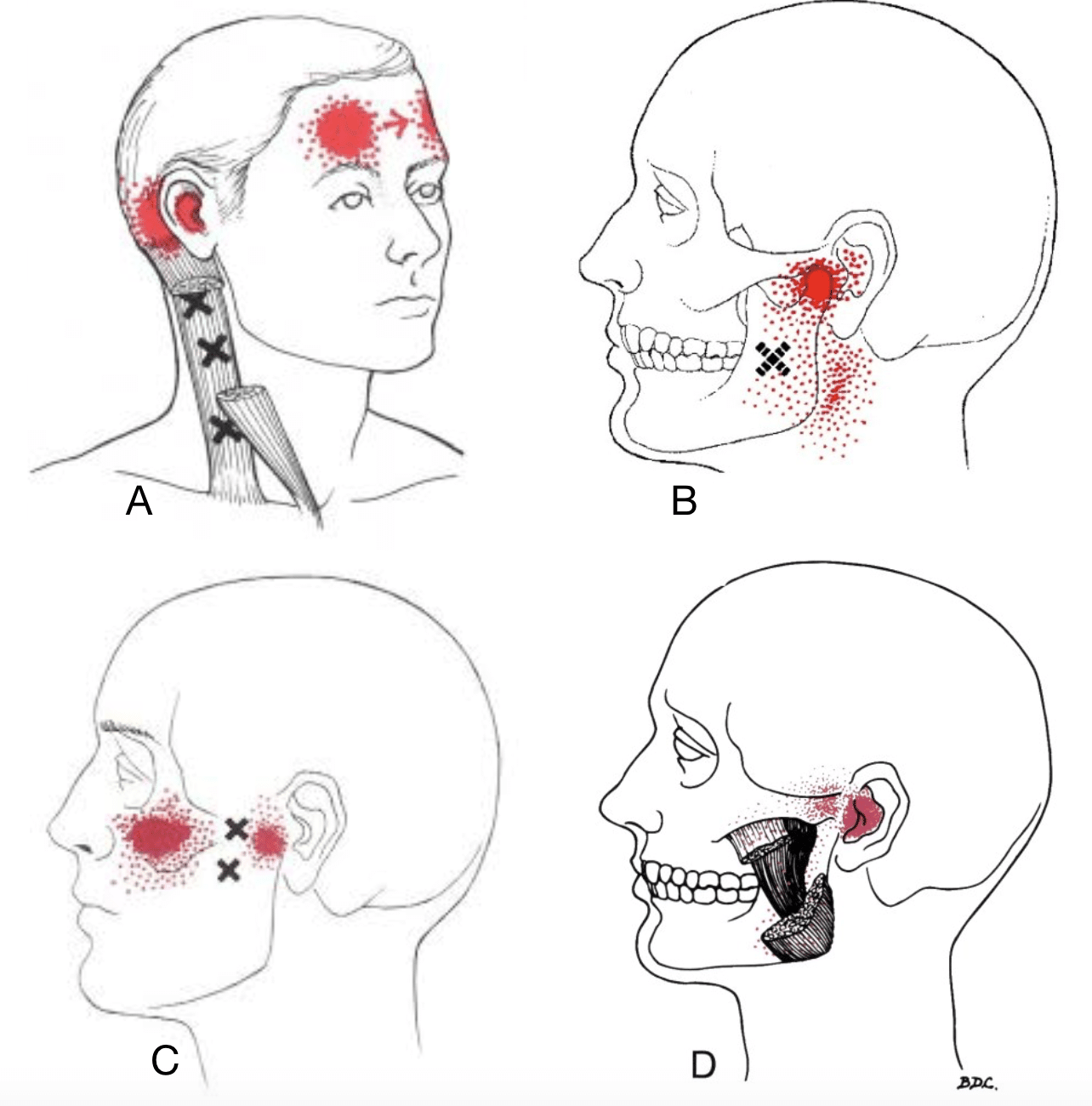
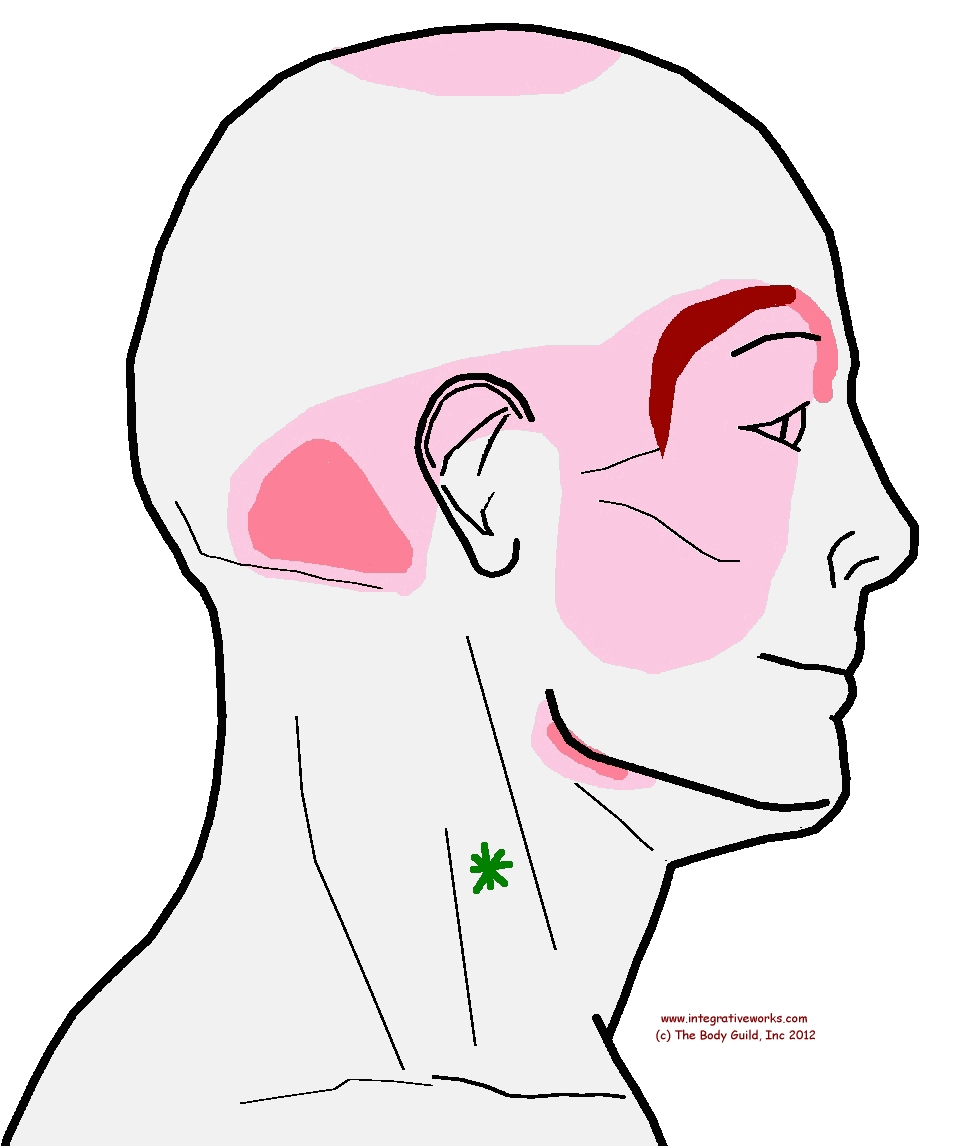
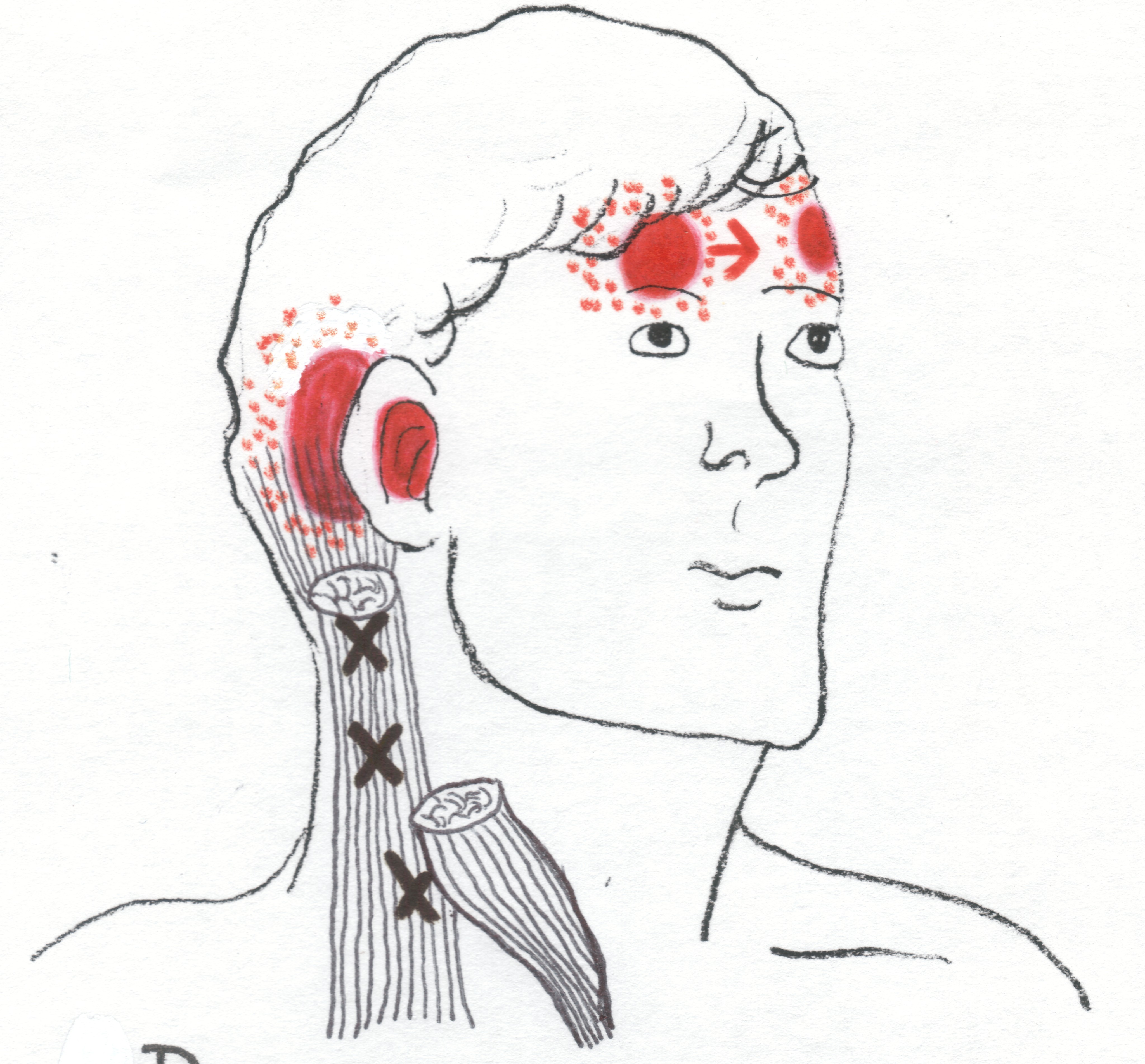
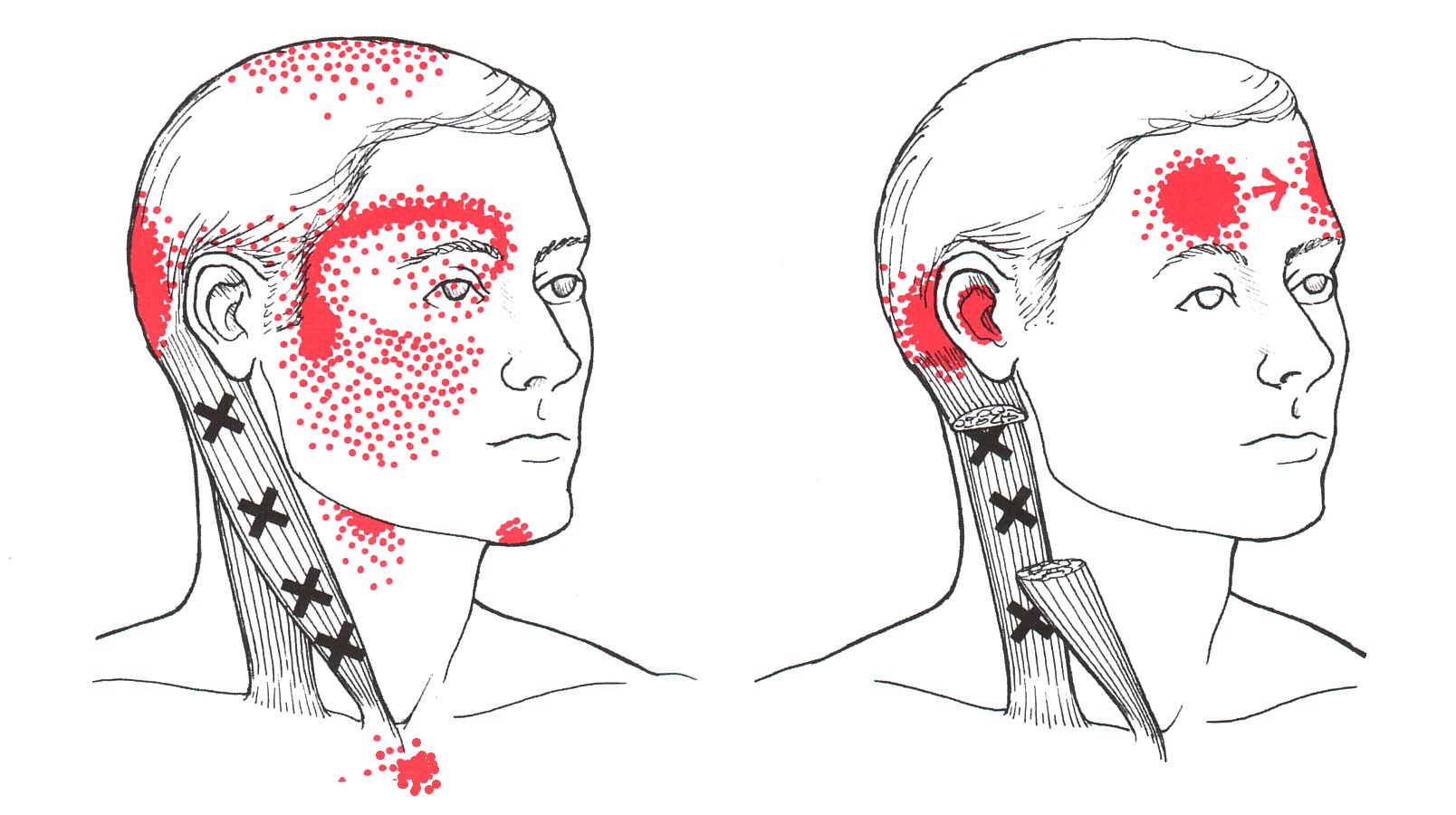
Scm Referral Pattern - The good thing about having trigger points in your sternocleidomastoids is that you can treat them yourself. Jaw pain or aching in the cheek areas How does sternocleidomastoid syndrome relate to nerves in the neck? Web sternocleidomastoid (scm) muscle pain in the neck typically results from muscle tension or performing repeated motions. Web your sternocleidomastoid (scm) muscle is a powerful neck muscle that allows you to bend your neck and turn or tilt your head. Web if you review the trigger point (trp) referral patterns of the sternocleidomastoid muscle, you will see that it refers pain to a number of regions. Web if tps are active within scm, pain can be referred away from the scm muscle. If a patient complains of frontal headaches and the referral has more of a yangming distribution, then i would likely consider yangming points and specifically st 41 ( jiexi) is. The scm may become tight and cause painful stiffness in the neck forcing the head to tilt to one side. Does cci play a role in sternocleidomastoid syndrome? Injuries and tension within your scm can lead to pain and stiffness. The good thing about having trigger points in your sternocleidomastoids is that you can treat them yourself. This means that even though the issue is within the scm, the pain is felt in other areas. Web referred pain pattern from sternocleidomastoid trigger points. You can care for your scm by managing stress and. Web referred pain pattern of trigger points in the sternocleidomastoid muscle. Web the upper crossed syndrome refers to a specific pattern of muscle activation (particularly in the neck, trunk, and scapular muscles) with altered movement (i.e. Web if you review the trigger point (trp) referral patterns of the sternocleidomastoid muscle, you will see that it refers pain to a number of regions. Pain or aching sensation behind the eyes. If a patient complains of frontal headaches and the referral has more of a yangming distribution, then i would likely consider yangming points and specifically st 41 ( jiexi) is. Does cci play a role in sternocleidomastoid syndrome? Conservative management of cervical spine syndromes. In the sternal head of scm, there are usually 4 tps which can give issues as ptosis, blurred vision, sinus headaches and referred pain pattern. How does sternocleidomastoid syndrome relate to nerves in the neck? Injuries and tension within your scm can lead to pain and. Web the sternal head of the sternocleidomastoid muscle, which is abbreviated as scm, is the more superficial muscle on the side of your neck that turns your head side to side. The good thing about having trigger points in your sternocleidomastoids is that you can treat them yourself. Web common referral patterns include pain behind the ear, around the eye,. The scm may become tight and cause painful stiffness in the neck forcing the head to tilt to one side. In the sternal head of scm, there are usually 4 tps which can give issues as ptosis, blurred vision, sinus headaches and referred pain pattern. There are 3 in the posterior belly and 4 in the anterior belly. This muscle. The sternal division’s referred pain is felt deep in the eye socket (behind the eye), above the eye, in the cheek region, around the temporomandibular joint (tmj), in the upper chest, in the back of the head, and on the top of the head. Web the sternocleidomastoid muscle (scm) is an important landmark in the neck which divides it into. Web what is sternocleidomastoid syndrome? Web referred pain pattern from sternocleidomastoid trigger points. The sternal division’s referred pain is felt deep in the eye socket (behind the eye), above the eye, in the cheek region, around the temporomandibular joint (tmj), in the upper chest, in the back of the head, and on the top of the head. The good thing. Web the upper crossed syndrome refers to a specific pattern of muscle activation (particularly in the neck, trunk, and scapular muscles) with altered movement (i.e. Web the sternocleidomastoid muscle (scm) is an important landmark in the neck which divides it into an anterior and a posterior triangle. These altered patterns exist alongside recognised postural changes, including: Jaw pain or aching. This means that even though the issue is within the scm, the pain is felt in other areas. How does sternocleidomastoid syndrome relate to nerves in the neck? Web a,b the solid red shows the most common referred pain pattern from trigger points (marked with xs) located in the sternal and clavicular divisions of the sternocleidomastoid muscle. Web sternocleidomastoid (scm). Jaw pain or aching in the cheek areas Web the referred pain is often described as deep and dull. Web as you can see from the below picture there are up to seven common points that can refer discomfort around the neck and head. Web each scm division has a separate and distinct referred pain pattern: Web if tps are. Treatments include stretching, physical therapy and osteopathic manipulation. The good thing about having trigger points in your sternocleidomastoids is that you can treat them yourself. Web trigger points are discrete, focal, hyperirritable spots located in a taut band of skeletal muscle. Web a,b the solid red shows the most common referred pain pattern from trigger points (marked with xs) located. The scm may become tight and cause painful stiffness in the neck forcing the head to tilt to one side. The good thing about having trigger points in your sternocleidomastoids is that you can treat them yourself. Web if you review the trigger point (trp) referral patterns of the sternocleidomastoid muscle, you will see that it refers pain to a. This muscle binds the skull to the sternum and clavicle. Web trigger points in the sternocleidomastoid (scm) muscle can be a hidden culprit behind persistent neck pain and discomfort. Web common pain referral patterns for muscles of the head and neck which can produce orofacial pain have been described extensively. If a patient complains of frontal headaches and the referral has more of a yangming distribution, then i would likely consider yangming points and specifically st 41 ( jiexi) is. You can care for your scm by managing stress and. Web sternocleidomastoid (scm) muscle pain in the neck typically results from muscle tension or performing repeated motions. Web your sternocleidomastoid (scm) muscle is a powerful neck muscle that allows you to bend your neck and turn or tilt your head. Web what is sternocleidomastoid syndrome? Injuries and tension within your scm can lead to pain and stiffness. Trigger point therapy techniques, such as manual pressure or massage, can be effective in releasing tension and alleviating pain associated with trigger points in the scm muscle. Compressing the trigger point will commonly elicit a consistent referral pain pattern. Web a,b the solid red shows the most common referred pain pattern from trigger points (marked with xs) located in the sternal and clavicular divisions of the sternocleidomastoid muscle. How does sternocleidomastoid syndrome relate to nerves in the neck? Web referred pain pattern of trigger points in the sternocleidomastoid muscle. Web if tps are active within scm, pain can be referred away from the scm muscle. They produce pain locally and in a referred pattern and often accompany chronic.
Scalene Trigger Point Referral Pattern Trigger points, Dry needling
Your Frustrating Ear Pressure May Actually Be Your TMJ The Jaw Therapist
referral SCM sternal Integrative Works

A,B The solid red shows the most common referred pain pattern from

Figure 1 Referred pain patterns from upper trapezius

Scm Trigger Points

SCM & TMJ Referral Pattern Massage Tips, Massage Techniques, Massage
Sternocleidomastoid SCM © Copyright American Academy of Manual Medicine
Sternocleidomastoid The Trigger Point & Referred Pain Guide
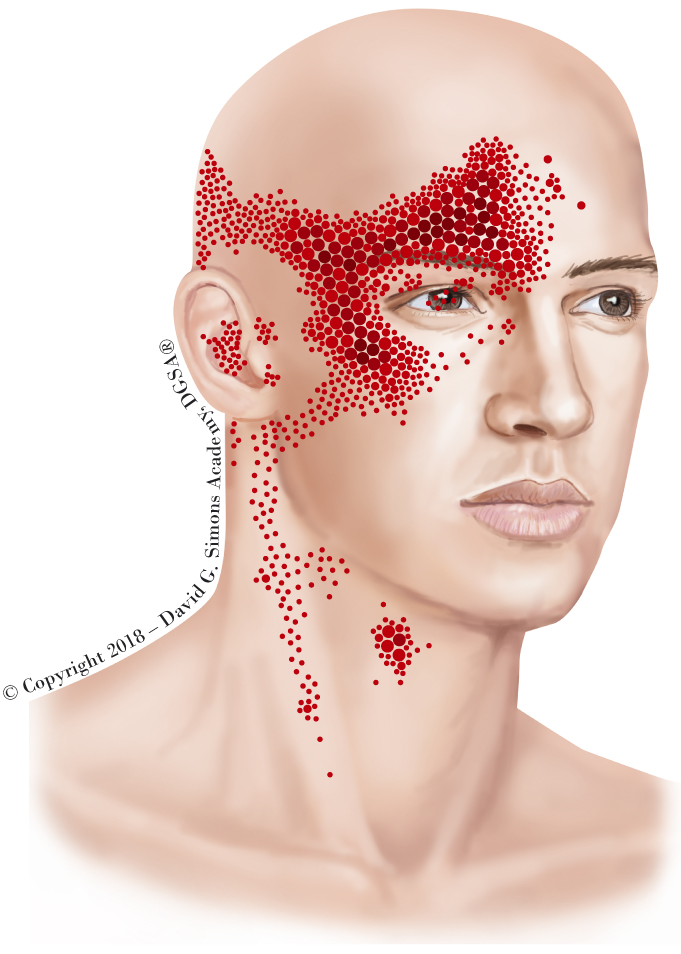
Myofascial Trigger Points we have been studying them since 1995 David
Web Trigger Points Are Discrete, Focal, Hyperirritable Spots Located In A Taut Band Of Skeletal Muscle.
Web As You Can See From The Below Picture There Are Up To Seven Common Points That Can Refer Discomfort Around The Neck And Head.
Web The Sternal Head Of The Sternocleidomastoid Muscle, Which Is Abbreviated As Scm, Is The More Superficial Muscle On The Side Of Your Neck That Turns Your Head Side To Side.
Web Common Referral Patterns Include Pain Behind The Ear, Around The Eye, Over The Temple, And Down Into The Shoulder.
Related Post: