
Nailing Pattern For Architectural Shingles
Nailing Pattern For Architectural Shingles - Web a large nailing area can make shingles easier and quicker to install while also increasing nail placement accuracy to help secure them better to the roof structure. Roofing nails are specifically designed for attaching shingles to roof decks, and choosing the correct type can significantly impact the durability and longevity of your roof. Use a consistent nailing pattern across the roofing material to ensure uniformity and structural integrity. Web when embarking on a roofing project, selecting the right type of nails is crucial. Place nails at the designated spacing specified by the shingle manufacturer, typically around 6 to 8 inches apart horizontally and 1 to 2 inches from the edges of the shingle. That's why gaf's timberline ® shingles with layerlock™ technology * were designed with the strikezone™ nailing area, the industry's largest nail zone. These shingles are designed for new or reroofing work over any properly built and supported wood roof deck having adequate nail holding capacity and a smooth surface. Nail each shingle with four nails, positioning them just below the adhesive strip and near the edge. This chapter will demonstrate how to properly nail roofing shingles. Web nail fastening can happen up to 30% faster when installing gaf shingles with the strikezone nailing area than when installing traditional timberline hd shingles. Ks or just through the plywood decks. We’ll cover each crucial aspect of the job. Web a large nailing area can make shingles easier and quicker to install while also increasing nail placement accuracy to help secure them better to the roof structure. This guide provides an extensive overview of roofing nails for shingles, ensuring you. Web most shingles require either a 4 or 6 nail pattern per shingle to ensure a tight seal. Architectural shingles, being thicker and heavier, require a bit more fastening. Offset the joints of adjacent shingles in a staggered pattern to provide better protection against leaks. That's why gaf's timberline ® shingles with layerlock™ technology * were designed with the strikezone™ nailing area, the industry's largest nail zone. Use the correct roofing nail material, size, and grade as specified in the shingle installation instructions. Fasteners must be driven flush with the surface of the shingle. Nail each shingle with four nails, positioning them just below the adhesive strip and near the edge. When installing thicker shingles, you may need to use a longer nail. Plus, homeowners who want to do this diy method should keep the following tips in mind to avoid mistakes: These shingles are designed for new or reroofing work over any properly. Ks or just through the plywood decks. Web general guidelines for nailing shingles. Nail each shingle with four nails, positioning them just below the adhesive strip and near the edge. For these shingles, roofers typically use six nails per shingle. This guide provides an extensive overview of roofing nails for shingles, ensuring you. Nail each shingle with four nails, positioning them just below the adhesive strip and near the edge. Web duration® series shingles installation instructions. Web general guidelines for nailing shingles. Offset the joints of adjacent shingles in a staggered pattern to provide better protection against leaks. Web most shingles require either a 4 or 6 nail pattern per shingle to ensure. That's why gaf's timberline ® shingles with layerlock™ technology * were designed with the strikezone™ nailing area, the industry's largest nail zone. These shingles are designed for new or reroofing work over any properly built and supported wood roof deck having adequate nail holding capacity and a smooth surface. This ensures they stay in place and don’t risk being exposed,. Web general guidelines for nailing shingles. Web here’s the best way to install roof shingles, where to nail shingles, how much to overhang the drip edge, and fit the felt paper. The correct placement to nail shingles is usually indicated by. Use the correct roofing nail material, size, and grade as specified in the shingle installation instructions. Web when embarking. Ks or just through the plywood decks. Nail heads should be flush with the top of the shingle. Shingle nails 1 ¼ inch in length and with a smooth, galvanized finish are the most commonly used type of nails for fastening shingles securely to roofs. Tap in loose nails with a hammer by hitting the nail heads. This ensures they. Shingle nails 1 ¼ inch in length and with a smooth, galvanized finish are the most commonly used type of nails for fastening shingles securely to roofs. Learn about selecting the correct type of shingles, nailing techniques, overlapping and aligning rows, and completing the installation with finesse. Web nail fastening can happen up to 30% faster when installing gaf shingles. Shingle nails 1 ¼ inch in length and with a smooth, galvanized finish are the most commonly used type of nails for fastening shingles securely to roofs. Web here’s the best way to install roof shingles, where to nail shingles, how much to overhang the drip edge, and fit the felt paper. We’ll cover each crucial aspect of the job.. That's why gaf's timberline ® shingles with layerlock™ technology * were designed with the strikezone™ nailing area, the industry's largest nail zone. Web most shingles require either a 4 or 6 nail pattern per shingle to ensure a tight seal. Use a consistent nailing pattern across the roofing material to ensure uniformity and structural integrity. When installing thicker shingles, you. For these shingles, roofers typically use six nails per shingle. Web a large nailing area can make shingles easier and quicker to install while also increasing nail placement accuracy to help secure them better to the roof structure. Offset the joints of adjacent shingles in a staggered pattern to provide better protection against leaks. That's why gaf's timberline ® shingles. That's why gaf's timberline ® shingles with layerlock™ technology * were designed with the strikezone™ nailing area, the industry's largest nail zone. To ensure optimal performance of your asphalt roofing shingles, be sure to follow these general directions for proper nailing: These shingles are designed for new or reroofing work over any properly built and supported wood roof deck having adequate nail holding capacity and a smooth surface. Shingle nails 1 ¼ inch in length and with a smooth, galvanized finish are the most commonly used type of nails for fastening shingles securely to roofs. Roofing nails are specifically designed for attaching shingles to roof decks, and choosing the correct type can significantly impact the durability and longevity of your roof. Use galvanized (zinc coated) roofing nails, 11 or 12 gauge, with at least 3/8 diameter heads, long enough to penetrate through plywood or 3/4 into boards. Use a consistent nailing pattern across the roofing material to ensure uniformity and structural integrity. Architectural shingles, being thicker and heavier, require a bit more fastening. Learn about selecting the correct type of shingles, nailing techniques, overlapping and aligning rows, and completing the installation with finesse. Web nail fastening can happen up to 30% faster when installing gaf shingles with the strikezone nailing area than when installing traditional timberline hd shingles. The correct placement to nail shingles is usually indicated by. Web nailing pattern for architectural shingles. Fasteners must be driven flush with the surface of the shingle. Web a large nailing area can make shingles easier and quicker to install while also increasing nail placement accuracy to help secure them better to the roof structure. Nail each shingle with four nails, positioning them just below the adhesive strip and near the edge. This ensures they stay in place and don’t risk being exposed, which can cause corrosion and leaks.
Roof Shingle LayOut and Nailing Patterns GutterBrush
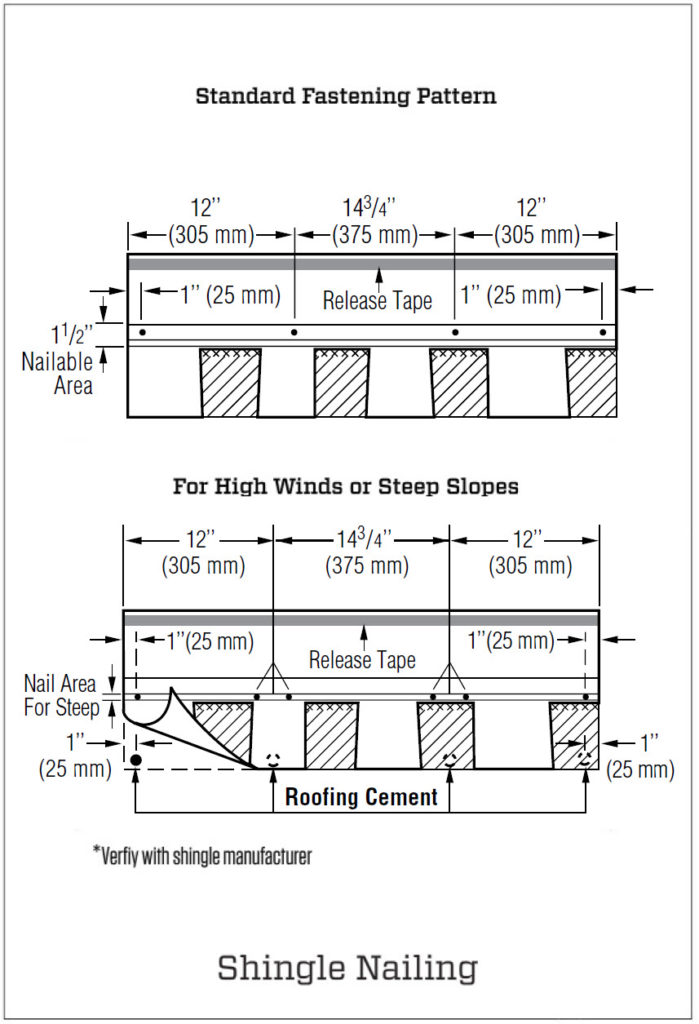
Where To Nail Shingles Architectural Nail Ftempo
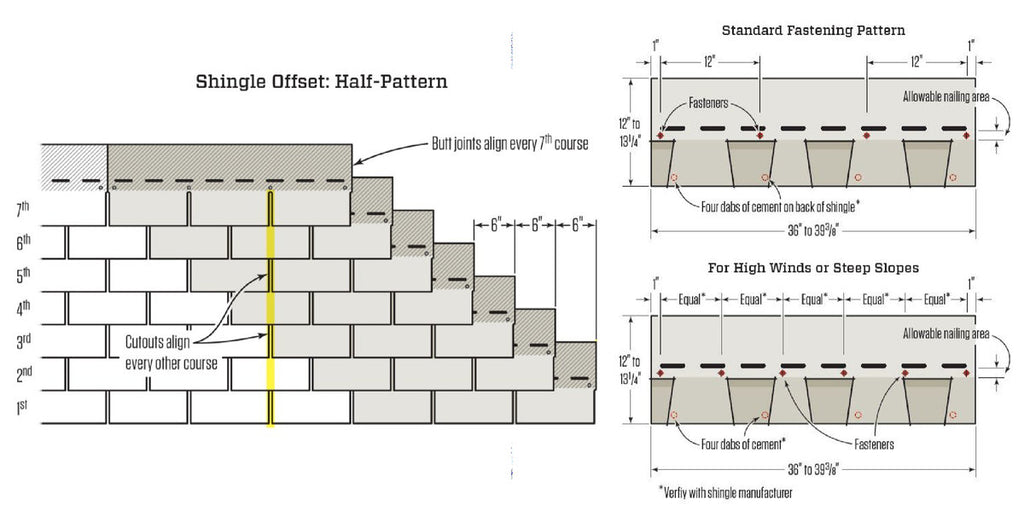
Roof Shingle LayOut and Nailing Patterns GutterBrush

How to Shingle a Shed With 3 Tab and Architectural Shingles

Proper Nailing Pattern For Architectural Shingles Nail Ftempo

Nailing Pattern For Architectural Shingles Nail Ftempo

Nailing Pattern For Architectural Shingles Nail Ftempo

The standard nailing for asphalt shingles is a fournail pattern, with

Nailing Pattern For Architectural Shingles Nail Ftempo

Architectural Shingle Nailing Pattern The Architect
Ks Or Just Through The Plywood Decks.
When Installing Thicker Shingles, You May Need To Use A Longer Nail.
We’ll Cover Each Crucial Aspect Of The Job.
Web The Most Important Step Is To Use The Proper Equipment And Align Them No Closer Than 1” From The Edge Of The Shingle.
Related Post: